
Italia e Estero

Unicef, in Ucraina un bambino su 5 ha perso un familiare o amico
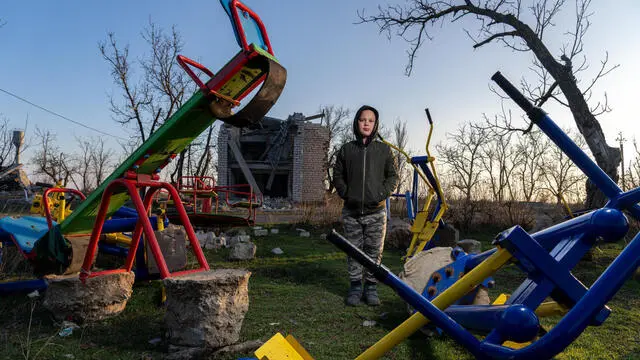
Timofii, 11 years old, stands in front of the ruins of the kindergarten he once attended in the village of Partyzanske, Mykolaiv region, destroyed by shelling. "It's hard here. I have no friends. The school was destroyed, the kindergarten was destroyed. Everyone has left, and there's no one to play with except my brother. I really want to go to a normal school and for the war to end," says the 11-year-old boy, who lives in a village where not a single house remains undamaged after the fighting. Since February 2022, more than 2,520 children have been killed or injured in Ukraine, and over 1,600 schools have been damaged or destroyed. In villages like Partyzanske and Kobzartsi in the Mykolaiv region, where over 80% of homes are in ruins, children like Timofii, David, Alina, and Roma struggle to find normalcy. Nearly 40% of Ukrainian children now study only online or through blended formats, facing an average learning loss of two years in reading and one year in maths. The lack of safe schools, ongoing displacement of 3.7 million people within Ukraine, and widespread damage to infrastructure leave many children without access to education, healthcare, and stable living conditions. While UNICEF and partners provide support with winter clothing, hygiene kits, and learning resources, the need for sustained humanitarian assistance remains urgent. Every child in Ukraine deserves the right to safety, education, and a future beyond war.
AA

ROMA, 21 FEB - Un bambino su cinque, in Ucraina, ha perso un familiare o un amico dall'inizio della guerra, tre anni fa. Il numero di vittime tra i bambini nel 2024 è aumentato di oltre il 50% rispetto al 2023. Più di 2.520 bambini sono stati uccisi o feriti dal febbraio 2022. Sono alcuni dei dati forniti dall'Unicef. "Per troppo tempo, morte e distruzione sono rimaste una costante nella vita dei bambini in Ucraina - ha commentato Catherine Russell, Direttrice generale dell'Unicef- Questo livello di violenza causa immensa paura e sofferenza e sconvolge ogni aspetto della vita di un bambino". Più di 1.600 strutture scolastiche e quasi 790 strutture sanitarie sono state danneggiate o distrutte negli ultimi tre anni. Le sfide per la salute mentale dei bambini e dei giovani in Ucraina stanno peggiorando a causa dell'isolamento. Molti bambini passano ore e ore rifugiati in cantine, perdendo così l'opportunità di socializzare e imparare. Quasi il 40% dei bambini studia solo online o attraverso un mix di lezioni in presenza e a distanza. L'impatto sull'apprendimento è stato profondo, con una perdita media di due anni in lettura e di un anno in matematica. "I bambini devono essere sempre protetti dalle conseguenze della guerra, in conformità con il diritto internazionale umanitario e dei diritti umani - ha sottolineato Russell - Più di ogni altra cosa, i bambini in Ucraina hanno bisogno di una pace duratura e della possibilità di realizzare il loro pieno potenziale".

Riproduzione riservata © Giornale di Brescia

Iscriviti al canale WhatsApp del GdB e resta aggiornato

Argomenti